
How to Prevent Roof Ice Dams This Winter
Winter in Franklin County, PA brings picturesque snowy landscapes, but it also introduces unique challenges for homeowners trying to protect their properties. One of the most frustrating and potentially damaging issues you might face during the colder months is the formation of ice dams. If you have ever noticed thick ridges of solid ice building up along the edge of your roofline, often accompanied by hanging icicles, you have likely witnessed an ice dam firsthand.
While they might look like a beautiful winter wonderland feature, these frozen blockages are actually a severe threat to your home's structural integrity. Understanding the causes of winter roof ice dams and leaks is the first step in protecting your property. When left unchecked, the backed-up water can seep under your shingles, rot your roof decking, ruin your insulation, and cause extensive interior water damage that nobody wants to deal with during a freezing winter.
At Getty Exteriors, we want to help you stay ahead of the harsh weather. In this guide, we will walk you through exactly why these frozen blockages form, how to stop them before they start, and what to do if you find yourself dealing with an unexpected winter emergency.
What Causes Ice Dams to Form?
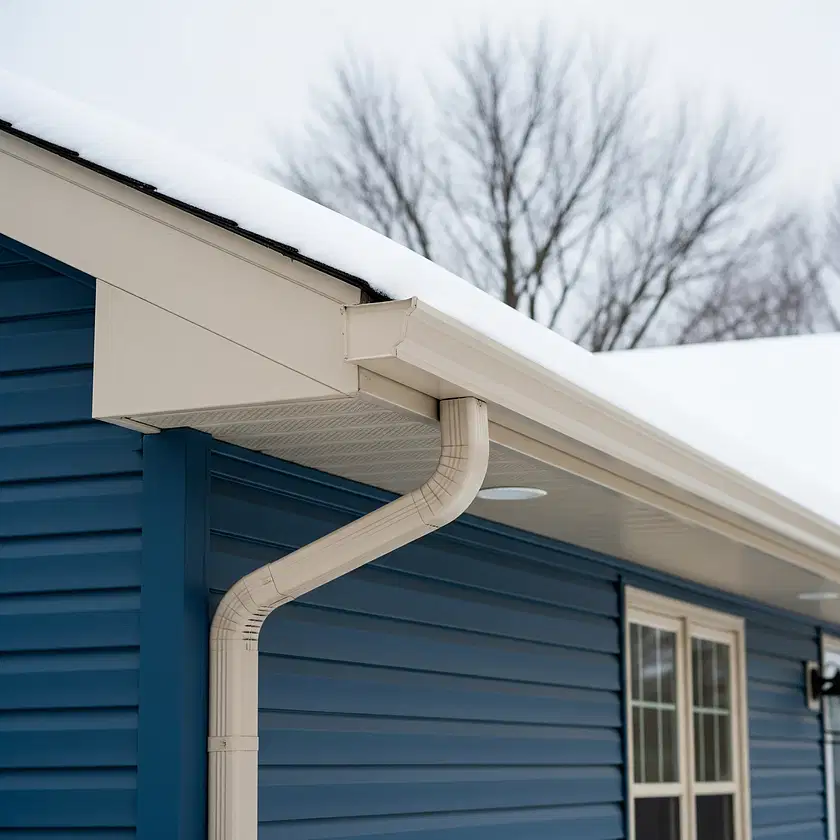
To effectively combat ice dams, it helps to understand the science behind how they develop. The primary culprit is uneven roof temperatures. When the heat from your home escapes into your attic, it warms the upper sections of your roof. As the snow on these warmer sections melts, the water trickles down toward the cooler eaves and edges of your roof. Because the eaves extend past the exterior walls of your heated home, they remain at freezing temperatures. The melted snow hits this cold zone and instantly refreezes, creating a ridge of ice.
Over several days of snow, melting, and freezing, this ridge grows larger and larger. Eventually, it forms a dam that traps new meltwater behind it. Because residential roofing is designed to shed water downward—not hold standing water—this trapped moisture will inevitably find its way underneath your shingles and into your home.
Many homeowners wonder how to tell if roof needs replacing or if an ice dam has just caused a temporary leak. If your attic insulation is consistently wet, or if you notice widespread rotting on your roof deck during a professional inspection, it might be time to discuss a full replacement. However, if the issue is caught early, targeted repairs can often restore your home's defenses. Upfront pricing estimates and an honest evaluation from a trusted contractor can help you make the best decision for your specific situation.
Proactive Steps: How to Prevent Ice Dams on Roof
The best time to deal with winter weather issues is long before the first snowflake falls. Taking proactive measures in the autumn can save you from costly headaches in the dead of winter. Just as you remember to disconnect and drain your outdoor spigot before the deep freeze sets in, or seal your macadam driveway before the snow arrives, your roof requires seasonal preparation.
First and foremost, managing your attic's temperature is critical. By increasing your attic insulation, you prevent the warm air from your living spaces from reaching the roof deck. Pair this with proper attic ventilation, which continuously draws in cold outdoor air and pushes out any trapped warm air. This balanced system keeps the entire surface of your roof at a uniform, cold temperature, ensuring that snow melts evenly across the surface or simply blows away in the wind.
Equally important is keeping your drainage pathways clear. When leaves, twigs, and autumn debris clog your eaves, water has nowhere to go but up and under your shingles. Scheduling professional Gutters cleaning and maintenance ensures that any melted snow can flow freely down your downspouts and safely away from your home's foundation.
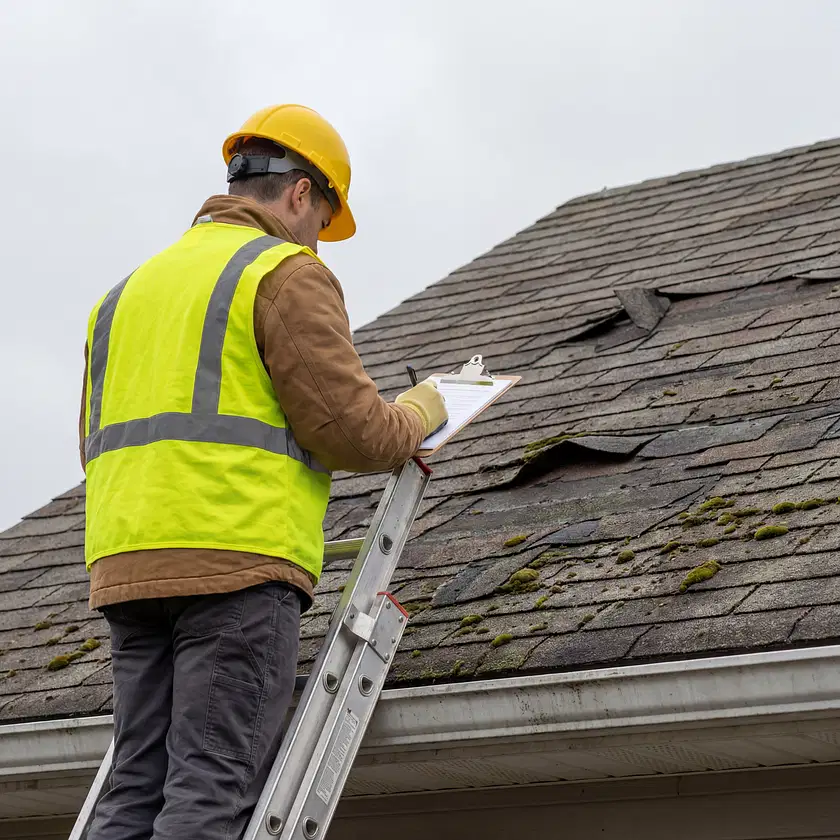
Today's roofing companies frequently use advanced technology, like drone inspections, to safely and accurately assess your roof's readiness for winter without causing unnecessary foot traffic on aging materials. A thorough inspection can identify loose shingles, failing flashing, or inadequate ventilation before the unpredictable winter weather disrupts your schedule.
How to Safely Remove Ice Dam Buildup
Even with the best preparations, severe weather conditions can sometimes overwhelm a home's defenses. If you wake up to find a massive ice dam forming on your eaves, it is crucial to handle the situation carefully. Knowing how to safely remove ice dam buildup is just as much about knowing what not to do.
Never climb onto a snowy, icy roof yourself, and absolutely never use a hammer, shovel, or pickaxe to chip away at the ice. This is virtually guaranteed to destroy your shingles, void any warranties you might have, and create a far more expensive problem. Instead, if water is actively leaking into your home, you need emergency roofing assistance.
Professional contractors have the proper safety equipment and specialized tools, such as low-pressure steam machines, to gently melt the ice away without harming the underlying materials. If the ice has already caused damage, they can also perform the necessary Roof Repair once the area is clear and dry.
We know that navigating home repairs during winter can be incredibly stressful, especially when dealing with high-pressure out-of-state storm chasers who flock to areas after severe weather. That is why it is vital to rely on a fully licensed and insured local team with a reputation for quality workmanship. If your home has suffered significant damage, a local expert can also help guide you through the process of filing insurance claims, ensuring you get the coverage you deserve without the typical delays.
Prepare Your Home for Winter with Getty Exteriors
Protecting your home from the harsh realities of winter requires a mix of good preparation, quality materials, and a contractor you can trust. By ensuring your attic is well-insulated, your ventilation is functioning properly, and your drainage systems are clear, you can keep your home safe, dry, and warm all season long.
At Getty Exteriors, we take pride in serving our neighbors in Hanover and the surrounding communities. We believe in providing clear roofing cost estimates, transparent communication, and exceptional craftsmanship that stands up to the toughest weather. Whether you need a routine pre-winter inspection, minor repairs, or a complete system overhaul, our experienced team is here to help.
Don't wait until a leak forces you to take action. Take the first step toward a worry-free winter by reaching out to us today. Visit our Contact Us page to schedule your comprehensive roof evaluation and ensure your home is fully prepared for whatever the season brings.