
Spotting Storm Damage to Windows and Doors: A Homeowner's Guide
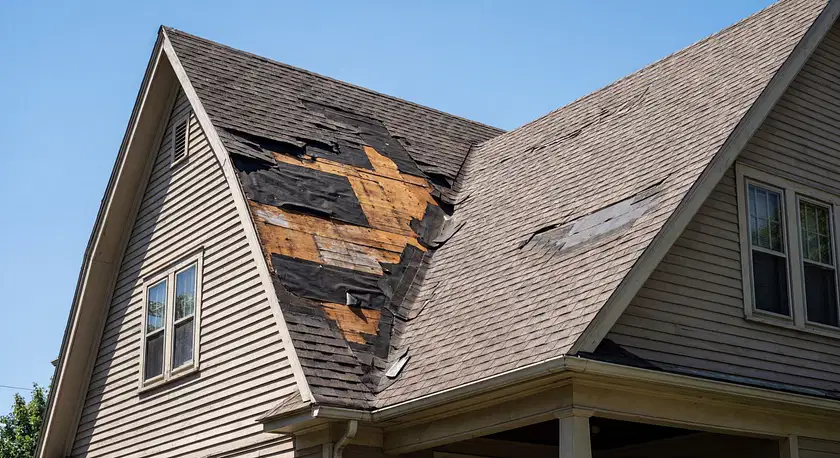
Severe weather in Pennsylvania can strike fast and hit hard. When the skies clear after a major system rolls through Franklin County and the surrounding areas, most homeowners immediately look up to check their roof for missing shingles. While checking your roof is crucial, some of the most expensive and frustrating damage can happen right at eye level. High winds, heavy rain, and hail take a significant toll on your home's exterior, particularly your windows and doors.
Overlooking this damage can lead to hidden water leaks, skyrocketing energy bills, and long-term structural issues. Because the signs aren't always as obvious as shattered glass, many homeowners don't realize they have a problem until months after the storm has passed. By then, securing coverage from your insurance company can become a frustrating ordeal.
At Getty Exteriors, we want to help you identify these hidden problems early. Knowing exactly what to look for after a storm will give you peace of mind and put you in a stronger position if you need to file an insurance claim. Here is exactly how to spot storm damage on your windows and doors.
Signs of Hail Damage on Window Frames and Casing
When hail hits your property, it doesn't always break the glass. In fact, the most common hail damage to windows occurs on the surrounding frames, casing, and screens. The severity of the damage often depends on the size of the hail, wind direction, and the material of your window frames.
If you have aluminum or vinyl windows, look for small, dimple-like dents along the framing. Vinyl can also crack or chip upon impact, especially if the material is older and has become brittle from years of sun exposure. Don't forget to check the window screens; hail will often stretch the mesh, leave circular tears, or push the screen completely out of its track.
If you have wood window frames, inspect them for chipped paint or small splinters. Hail that bounces off your macadam driveway or patio can easily strike lower-level window frames, leaving behind impact marks that expose bare wood to moisture. If you leave this unaddressed, the wood can quickly begin to rot.
We highly recommend walking around your home's perimeter when it is safe to do so. Run your hand along the window casing. Sometimes, feeling for dents is easier than trying to spot them with the naked eye, particularly on white or light-colored vinyl where shadows can obscure the damage. If you find evidence of impact, it may be time to look into professional storm damage repair to prevent water intrusion.

How to Spot Storm Damage on Exterior Doors
Your exterior doors are designed to be tough, but extreme wind and flying debris can still cause significant issues. Just like windows, the damage isn't always immediately obvious.
Start by examining the surface of the door. Metal and fiberglass doors can easily dent or scuff from wind-blown branches and hail. If you have a wooden front door or patio doors, look for fresh gouges, chipped paint, or areas where the finish has been blasted away by driving rain and debris.
Next, check the alignment and functionality of the door. High winds create massive pressure differentials that can literally push or pull your doors out of alignment. If your door suddenly sticks, fails to latch properly, or requires extra effort to open and close after a storm, the hinges or the frame itself may have been compromised.
Finally, inspect the weatherstripping and seals around the edges of the door. Flying debris can easily tear these protective layers. If you notice a new draft or see daylight creeping in around the edges of a closed door, the storm has compromised your home's thermal envelope.
Does Insurance Cover Storm Damaged Window Seals?
One of the most common questions we hear from homeowners after severe weather is whether their insurance will cover compromised window seals. A broken window seal is a serious issue—it allows argon or krypton gas to escape, destroying the window's insulating properties. You will typically notice this when condensation, fog, or a milky haze builds up between the panes of glass.
So, will your homeowners insurance cover it? The answer is: it depends on what caused the seal failure.
If a storm blew debris into your window, struck the frame, or caused sudden structural shifting that broke the seal, your insurance policy will likely cover the replacement. However, if the seal failed simply due to age, wear and tear, or manufacturer defect, insurance generally will not step in.
Because insurance claims can be incredibly stressful—and because dealing with delayed payouts from insurance companies is a massive headache—it is vital to have an experienced local contractor document the damage properly. Taking clear photos of the frame damage, the impact marks, and the resulting fogged glass immediately after the storm provides the best evidence that the weather event directly caused the failure.
Avoiding Storm Chasers and Taking the Next Step
After a major storm, neighborhoods are frequently flooded with out-of-state contractors knocking on doors. These "storm chasers" often over-promise, under-deliver, and leave town before the work is finished—or worse, before the warranties even take effect. Differentiating legitimate local contractors from these temporary companies is one of the biggest challenges homeowners face.
Protect your home by choosing a local company with established roots, verified insurance, and a reputation for quality workmanship. When you hire locally, you ensure that the people working on your home understand local building codes and will be there for you long after the project is completed.
If you suspect that your home has taken a beating from recent weather, don't wait for a draft or a water leak to confirm it. Reach out to Getty Exteriors for a thorough, honest inspection. Whether you need minor fixes or a complete windows and doors installation, our team is ready to restore your home's safety and curb appeal.
Ready to get started? Contact us today to schedule your consultation and ensure your Hanover home is fully protected against the next storm.