
The Unsung Hero of Your Home: How Roof Flashing Prevents Costly Water Damage
When a severe rainstorm rolls through Franklin County, your roof is your home's first line of defense. Most homeowners naturally think about the condition of their shingles, but there is a hidden champion working just as hard to keep your living room dry: roof flashing. Without it, even the highest quality shingles wouldn't be enough to stop water from finding its way into your home.
Water is incredibly persistent. It flows down the slope of your roof, seeking out any vulnerability, particularly where the roof meets a vertical surface like a chimney, dormer, or skylight. Flashing acts as a watertight bridge across these vulnerable intersections. If you have ever wondered why some homes experience mysterious leaks despite having relatively new shingles, compromised flashing is often the culprit.
At Getty Exteriors, we often speak with homeowners who are frustrated by unexpected ceiling stains or damp attic insulation. Understanding how flashing works, and knowing what to look for, can save you from the stress of major interior water damage and keep your roofing costs manageable over the lifespan of your home.
Step Flashing vs Drip Edge Water Protection
To understand how your roof stays dry, it helps to know about the different types of flashing and the specific roles they play. Two of the most critical components are step flashing and drip edge flashing.
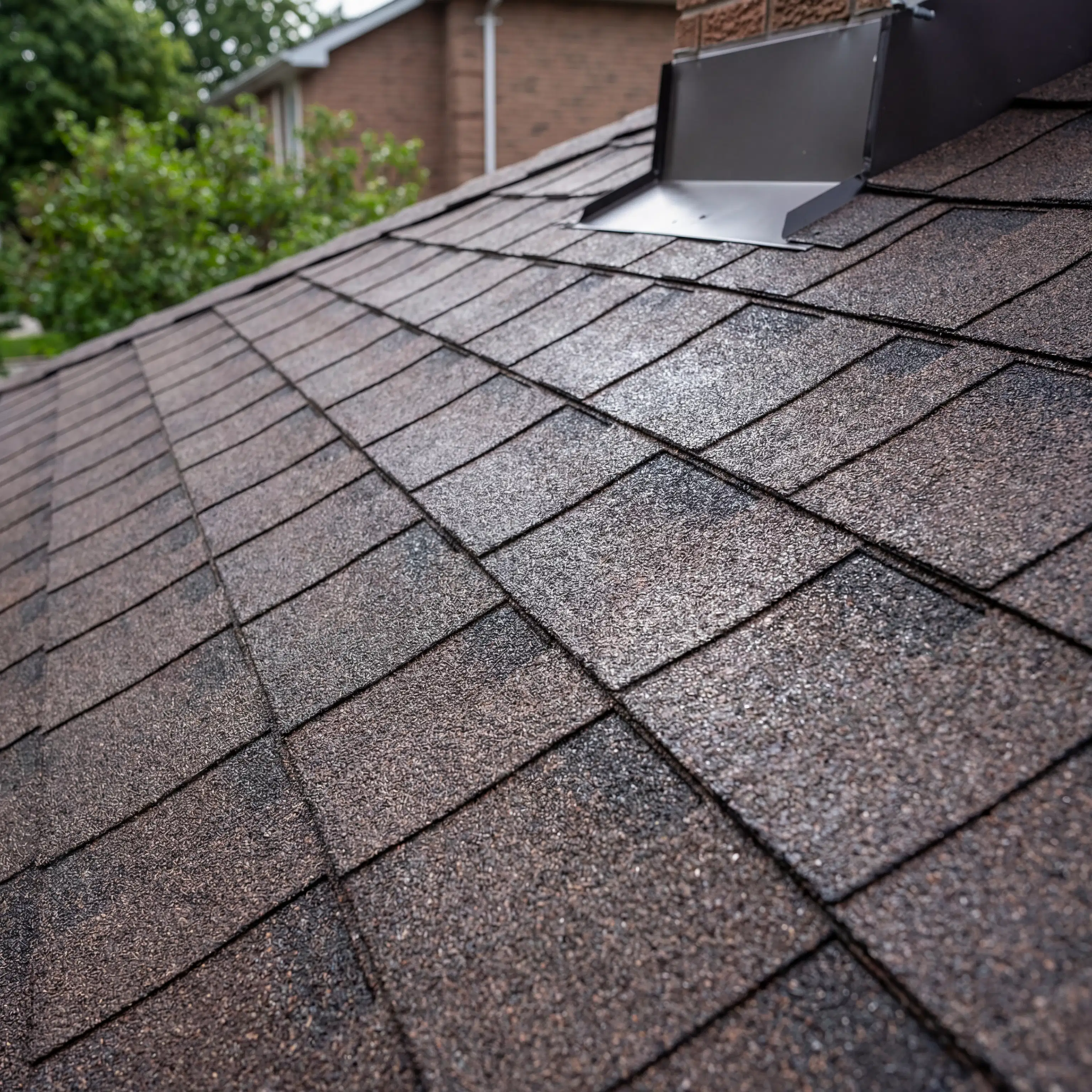
Step flashing is used where the roof deck meets a vertical wall, such as the side of a dormer or a chimney. Instead of using a single long piece of metal, a roofing professional installs short, overlapping pieces of metal flashing that are woven directly into the layers of shingles. This "step" method ensures that if water breaches one piece, it is immediately directed outward and downward onto the next shingle, preventing it from seeping behind the wall.
Drip edge water protection, on the other hand, runs along the perimeter of your roof along the eaves and rakes. This continuous metal strip does exactly what its name implies: it forces water to drip away from the underlying wood fascia and directly into your gutters. Without a proper drip edge, surface tension can cause water to curl back under the shingles, rotting the wood around the edges of your home. While step flashing protects the complex intersections of your roof, the drip edge is essential for protecting its perimeter.
Spotting the Signs of Damaged Chimney and Roof Flashing
One of the most common questions we receive is how to tell if a roof needs to be repaired or completely replaced. Often, a leak doesn't mean the entire roof is failing; it just means the flashing has deteriorated.
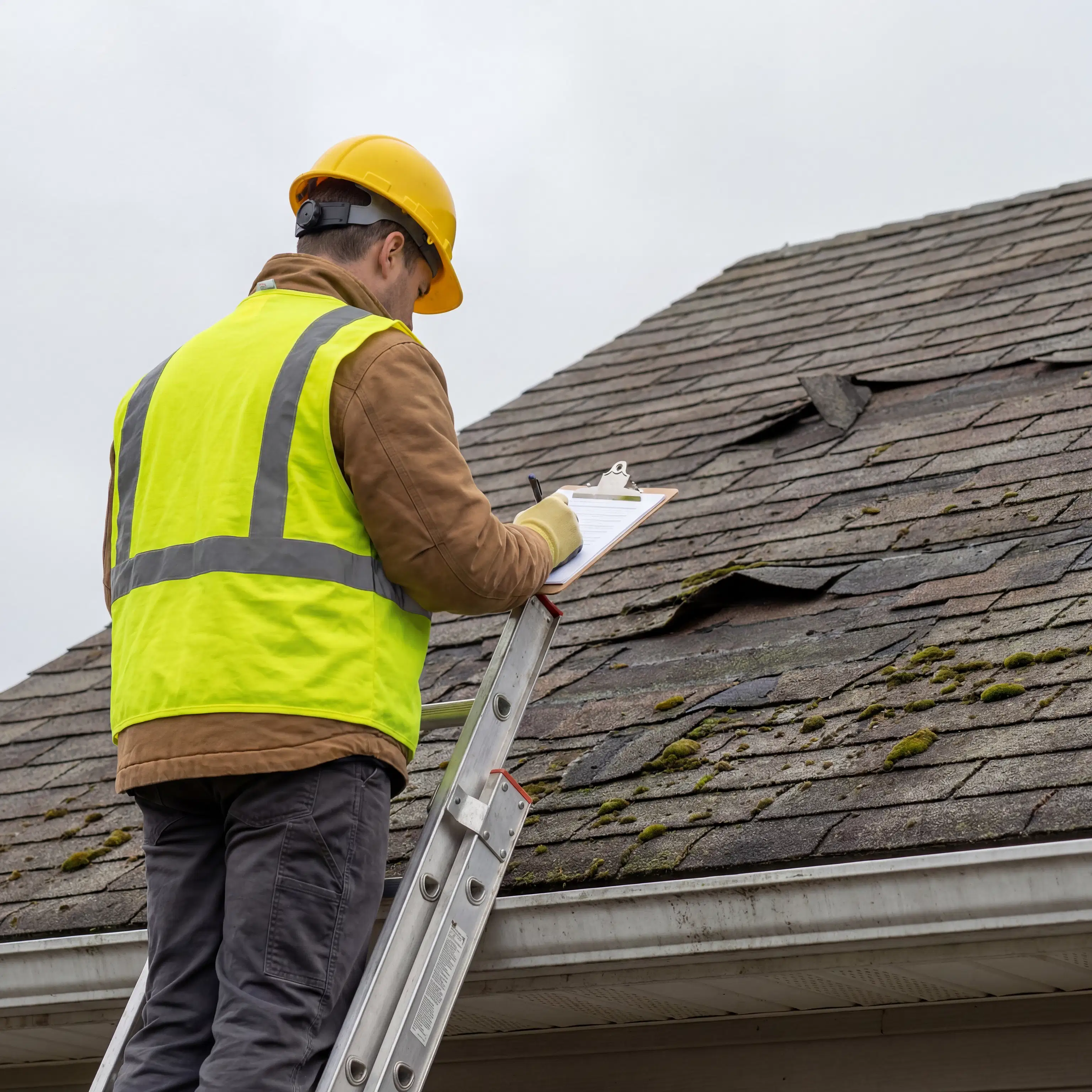
So, what are the signs of damaged chimney and roof flashing? From the ground, you might notice pieces of metal that look bent, rusted, or entirely missing around your chimney base. If you are doing yard work and find small pieces of metal or asphalt debris near your macadam driveway or around the garden spigot, it's worth looking up to see if a recent storm caused damage.
Inside your home, the signs are usually more obvious. Brown water stains on the ceiling near a fireplace, dampness in the attic around vent pipes, or peeling paint on walls directly below a roof valley are strong indicators that your flashing has failed.
Because the roofing industry struggles with 'storm chasers' who might try to sell you a whole new roof for a minor issue, it is crucial to hire an honest local contractor. We utilize modern drone-assisted inspections to get a highly accurate, up-close look at your flashing. This technology allows us to show you exactly what is damaged through crystal-clear photos, ensuring you get a transparent, accurate pricing estimate without any high-pressure sales tactics.
How to Repair Leaking Roof Valley Flashing
Roof valleys—the V-shaped intersections where two sloping roof panels meet—funnel massive amounts of rainwater during a storm. Because of the high volume of water they handle, valley flashing is under constant stress.
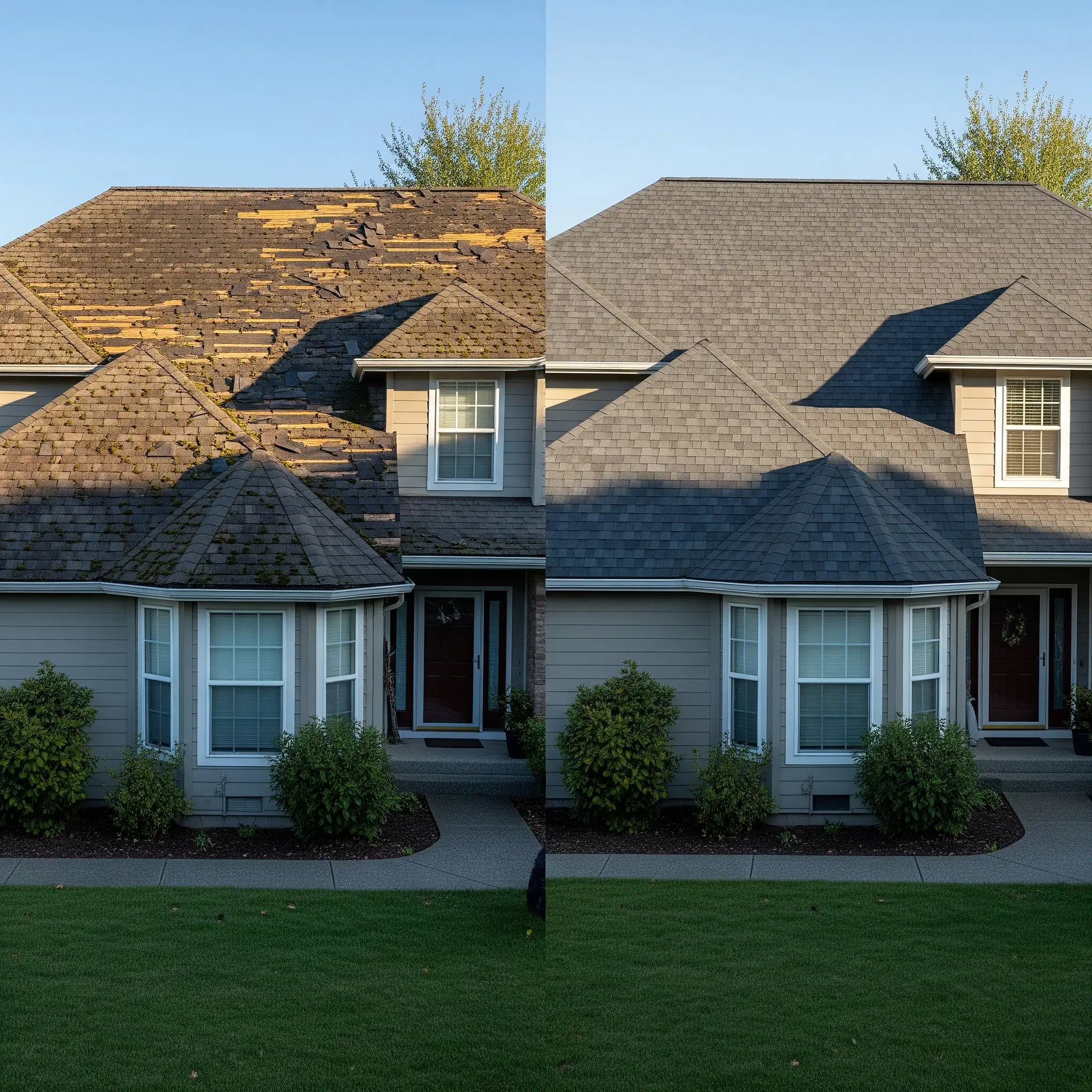
Learning how to repair leaking roof valley flashing is not a recommended DIY project for most homeowners due to the safety risks and precise techniques required. The process generally involves carefully removing the shingles surrounding the valley to expose the damaged metal. A professional will then inspect the underlying wood decking for rot, replace any compromised wood, apply a high-quality waterproof underlayment, and install fresh, heavy-duty valley flashing. Finally, new shingles are precisely cut and laid over the flashing to restore a watertight seal.
Addressing these issues early with targeted roof repair can extend the life of your roof by years, preventing the severe financial strain of a full roof replacement before it's truly necessary.
Protect Your Home with Local Expertise
Your roof is a complex system, and its longevity relies heavily on the small details like flashing. Whether you are dealing with the aftermath of a severe storm or simply want peace of mind before the harsh winter weather arrives, having a trusted professional evaluate your flashing is a smart investment.
At Getty Exteriors, we take pride in offering transparent, high-quality roofing services to our neighbors. We provide detailed estimates, flexible financing options, and the backing of strong manufacturer warranties. If you suspect your flashing might be compromised, or if you simply want a thorough inspection of your home in Hanover, don't wait for a small leak to become a major structural issue. Contact us today to schedule your consultation and see how our local expertise can protect your most valuable asset.